Concrete and Dirt Disposal in Rhode Island: Rules, Costs, and the Right Container
The patio is gone. The old concrete driveway is in pieces. The excavation is done. Now comes the question most homeowners do not think about until it is staring them from the driveway: how does several thousand pounds of rubble actually get removed from a Rhode Island property?
The short answer is that concrete disposal in Rhode Island requires a different approach than general debris removal. Most standard roll-off dumpsters are not designed for pure concrete or dirt loads. Putting heavy masonry in a general-purpose container almost always triggers overweight surcharges, and in some cases the load gets rejected at pickup entirely.
This post covers the rules that apply to construction debris disposal in Rhode Island, how dedicated heavy material containers work, what concrete removal costs in RI typically look like, and how to plan a removal that stays on schedule and on budget from the first call to the last load.
Why Concrete and Dirt Cannot Go in a Standard Roll-Off Dumpster
The core issue is density. Most homeowners think of dumpster capacity in terms of how full the container looks. But roll-off dumpsters have weight limits, and concrete fills those limits long before the container looks anywhere near full.
Four reasons why a standard dumpster is the wrong tool for concrete and dirt:
• Concrete is extremely dense: one cubic yard weighs roughly two tons. A small pile of broken patio blocks or driveway slabs can exceed a dumpster's entire included tonnage before the container is even a quarter full.
• General dumpsters have a tonnage limit that concrete fills almost instantly. Standard residential roll-off containers in Rhode Island typically include two to three tons before overages kick in.
• Mixing concrete with other debris triggers heavy material surcharges. Most RI providers charge per ton over the included limit, and concrete mixed into a general load is still charged at the overweight rate.
• Most RI dumpster companies reject or re-charge overweight general waste loads. A driver who arrives to find a container loaded primarily with concrete has the right to leave it or charge a significant additional fee before hauling.
The solution is straightforward: use a container rated for heavy debris rather than trying to fit masonry into a container designed for lighter construction waste.
What Is a Concrete-Only or Heavy Debris Container?
A heavy debris container is a roll-off dumpster specifically rated for dense material. The container itself is typically smaller in volume than a standard residential dumpster, but that smaller size is intentional. Keeping the volume low keeps the total weight manageable for transport and within legal axle weight limits on Rhode Island roads.
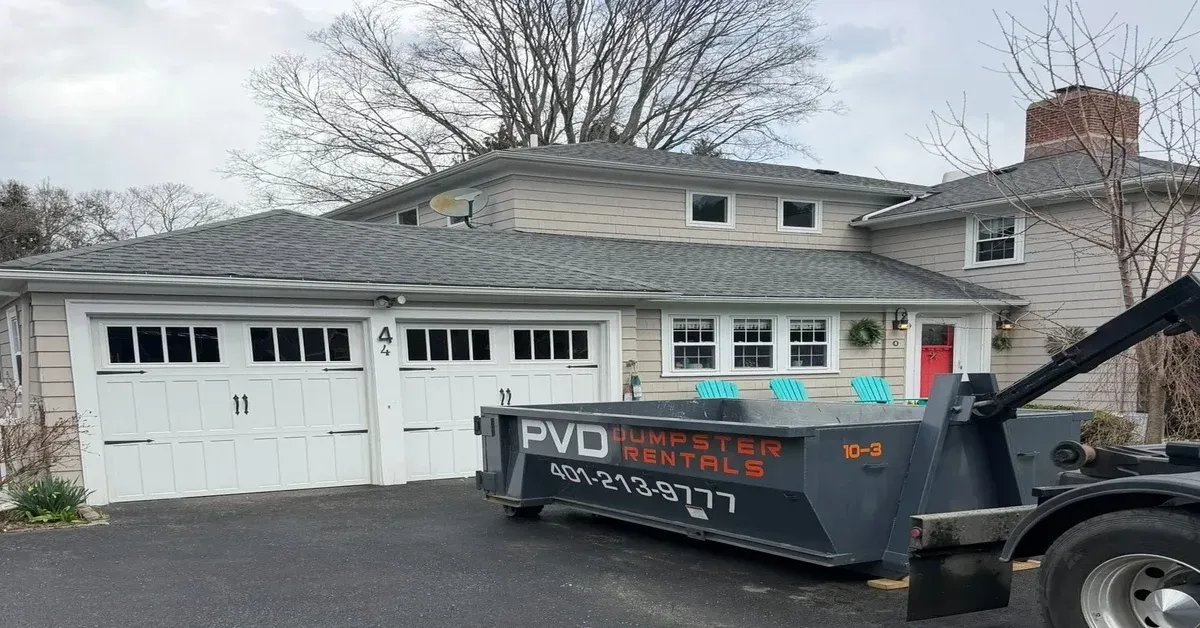
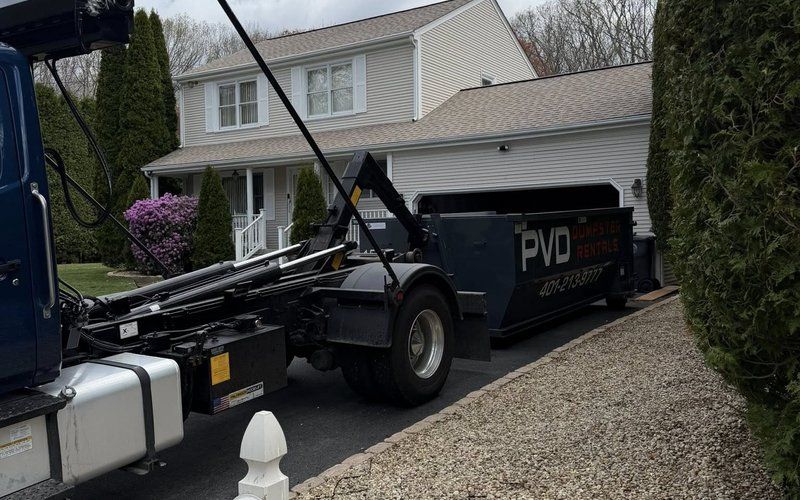
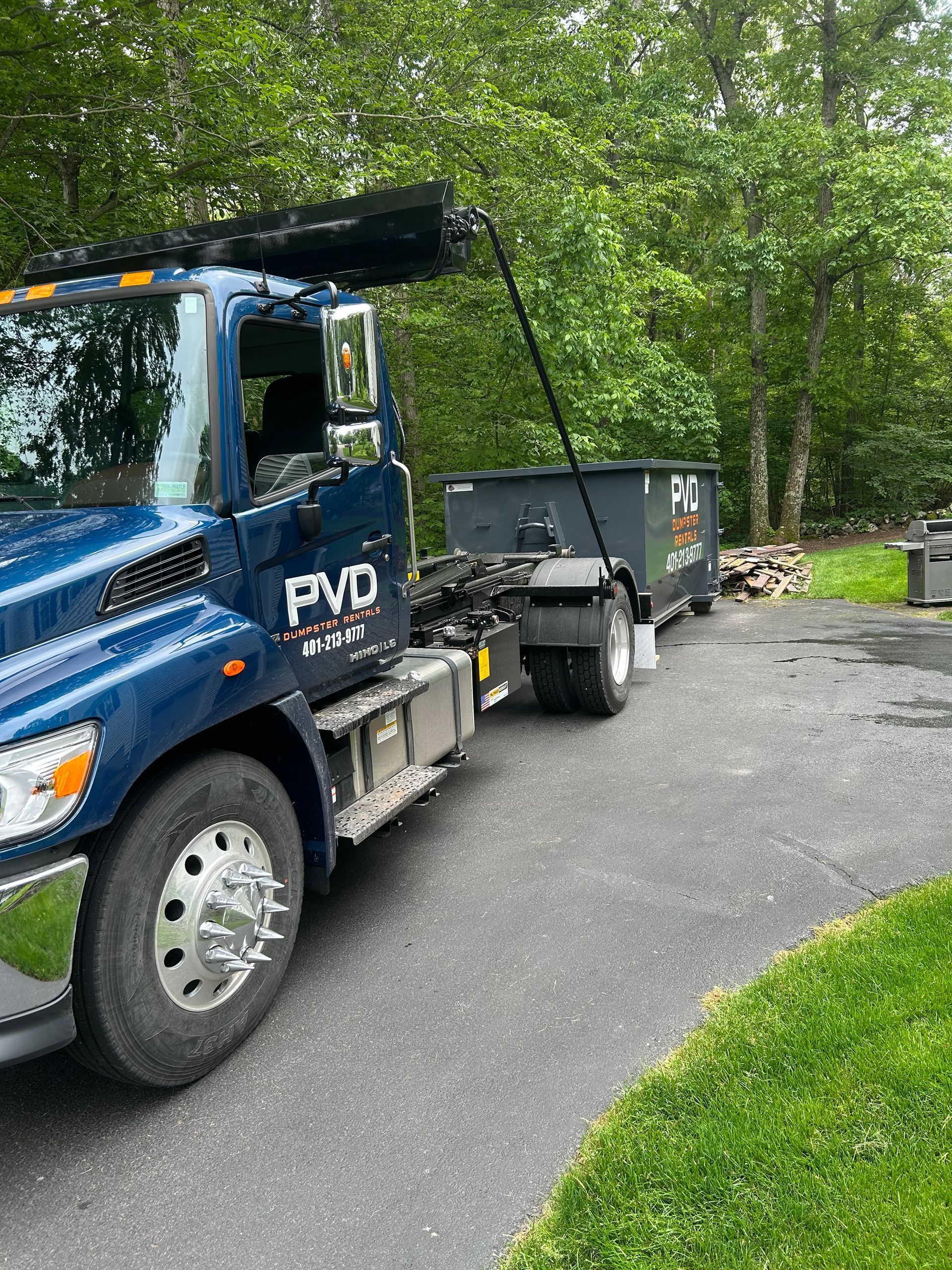
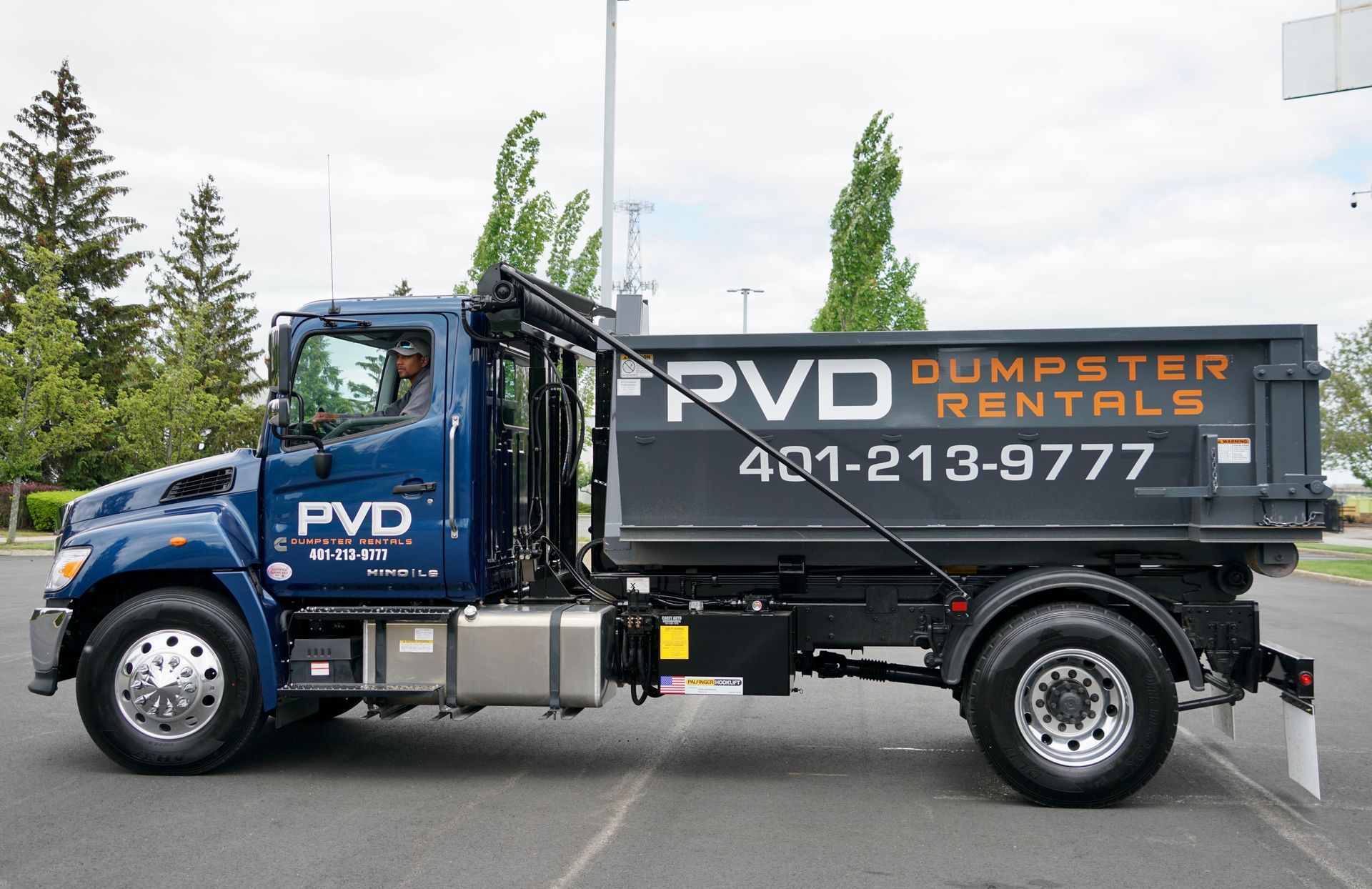
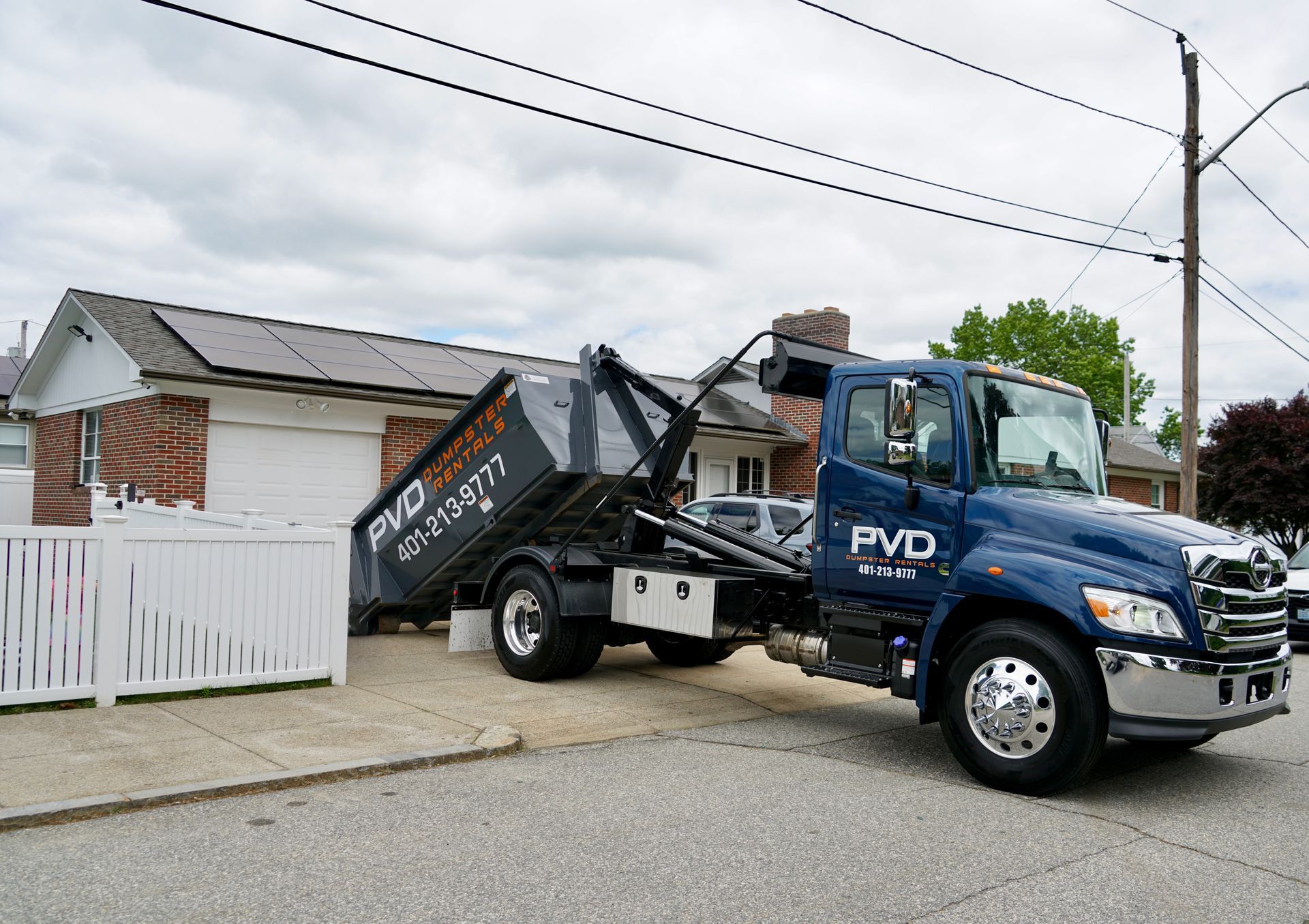
PVD Dumpster Rental's concrete and dirt disposal service is built around this approach. Heavy material goes in a dedicated container. General waste goes in a separate container. The two categories are never mixed, which keeps pricing clear and avoids overweight surprises at pickup.
Key characteristics of a heavy debris container:
• Rated for dense, heavy material only: concrete, brick, dirt, asphalt, and similar masonry debris.
• Sized smaller, often 10 yards, to stay under legal axle weight limits for transport. A 10-yard dumpster full of concrete approaches the legal weight limit for a roll-off truck even though the container is far from visually full.
• Priced by weight, not just volume. Heavy debris pricing reflects the actual tonnage hauled rather than the size of the container rented.
• Requires keeping materials separate from general waste. Placing general debris in a concrete-only container typically voids the pricing and triggers reclassification as a standard overweight load.
What Rhode Island Rules Apply to Concrete and Dirt Disposal
Rhode Island treats construction and demolition (C&D) debris as a distinct waste category with specific handling and disposal requirements. The Rhode Island DEM construction debris guidelines set the regulatory framework that disposal companies and property owners are expected to follow.
Four rules that apply directly to concrete and dirt removal in RI:
• Construction and demolition debris has specific handling requirements under RI DEM. Clean concrete, asphalt, and brick from demolition projects are classified as C&D debris and must be directed to licensed facilities.
• Concrete can often be recycled or crushed for reuse. Clean, uncontaminated concrete from residential demolition projects is frequently accepted at RI recycling facilities and crushed into aggregate for use in road base and fill applications.
• Soil may require testing if it is near contaminated sites. Excavated dirt from properties near industrial sites, underground storage tanks, or areas with known contamination history may require environmental testing before it can be legally transported and disposed of.
• Always confirm with your disposal provider before loading. Requirements can vary based on material type, origin, and the receiving facility. A licensed provider will confirm what is acceptable before the container is delivered.
For the regulatory framework governing C&D materials at the federal level, the EPA construction and demolition material management page provides guidance on proper handling, recycling, and disposal practices.
Types of Heavy Debris This Service Handles
Concrete and dirt are the most common materials, but PVD's heavy debris service covers the full range of dense construction material generated by residential and commercial demolition projects in Rhode Island.
Concrete Slabs, Blocks, and Patio Pavers
Driveway replacement, patio demolition, pool removal, and retaining wall teardown all generate large quantities of broken concrete and masonry. These materials are among the densest residential debris types and should always go in a dedicated heavy container rather than a general roll-off. Rebar-reinforced concrete is accepted in most cases; confirm at the time of booking since the steel adds weight.
Excavated Dirt and Fill Soil
Landscaping projects, foundation excavations, grading work, and drainage installations all produce significant volumes of displaced soil. Excavated dirt is heavy: one cubic yard of compacted soil weighs between 2,000 and 3,000 pounds depending on moisture content and composition. A dedicated dirt container keeps that weight properly accounted for and disposed of through the right channels.
Asphalt and Blacktop
Driveway resurfacing and parking lot work generates asphalt debris that shares the same weight density challenges as concrete. Asphalt from residential driveways in Rhode Island is typically clean material that can be directed toward recycling. It should not be mixed with general construction waste or organic debris.
Brick and Cinder Block
Chimney removal, wall demolition, and cinder block teardown from older Rhode Island homes produce heavy masonry debris that fits the same weight profile as concrete. Brick and block from pre-1980 construction should be checked for potential lead paint or mortar containing hazardous materials before loading, particularly on older properties in Providence, Pawtucket, and Cranston.
How Much Does Concrete Disposal Cost in Rhode Island?
Concrete disposal pricing in Rhode Island is structured differently than standard dumpster rental. Because the billing reflects actual weight hauled rather than container size alone, the final cost depends on several variables that are worth understanding before booking.
For a broader baseline on what concrete removal projects typically cost, average concrete removal costs provide general market data across regions including the Northeast.
• Heavy material containers are typically priced per ton. The rental includes a base tonnage allowance, and additional weight above that limit is billed at a per-ton rate.
• Costs vary by volume, distance to the disposal facility, and material type. Clean, uncontaminated concrete destined for a recycling facility often costs less to dispose of than contaminated soil or mixed debris that requires a landfill.
• Mixing heavy and general debris almost always increases the final bill. When a standard container comes back overweight due to mixed masonry, the entire load gets reclassified. The overweight rate applies to the full load, not just the heavy portion.
• Separating materials before booking saves money on both loads. Two correctly loaded containers, one general and one heavy, almost always cost less than one overweight general container with a surcharge added after pickup.
Weight estimates can be difficult without experience. Contacting a provider before booking and describing the project in terms of what the material is and how much area it covers gives the provider enough information to recommend the right container type and estimate total tonnage accurately.
Step-by-Step: How to Plan a Concrete or Dirt Removal in RI
Most overweight problems and unexpected disposal costs come from skipping the planning phase entirely. A brief upfront estimate prevents the most common and expensive mistakes.
Step 1: Estimate Your Volume
Measure the area to be removed: length times width gives square footage, and dividing by 12 (for a typical 4-inch slab) gives cubic feet. Divide by 27 to convert cubic feet to cubic yards. For example, a 20-foot by 20-foot concrete patio at 4 inches thick yields roughly 5 cubic yards, which at roughly 2 tons per cubic yard equals approximately 10 tons of debris. That is five times what a standard residential dumpster's included tonnage typically covers.
Step 2: Separate Heavy Debris From General Waste
Plan two container bookings for any project that combines concrete or dirt removal with general construction debris. Keep the concrete pile separate from lumber scraps, drywall, insulation, and other light debris from the start. Sorting after the fact wastes time and often results in a mixed load anyway.
Step 3: Confirm What Your Provider Accepts
Not all Rhode Island dumpster companies accept heavy debris loads, and those that do may have different policies on mixed materials, rebar, contaminated soil, or asphalt. Confirm in advance that the container type, material, and estimated weight are all within what the provider handles. PVD's concrete and dirt disposal service is specifically set up for this conversation.
Step 4: Schedule Delivery Around the Demo Timeline
Coordinate dumpster delivery for the morning of demolition day rather than ordering after demo is complete. Having the container on-site during the work keeps debris contained, prevents spreading across the driveway or yard, and allows the project to move directly from demo to cleanup in a single phase. Same-day delivery is available across Rhode Island through PVD, which makes last-minute coordination possible for projects that move quickly.
Frequently Asked Questions About Concrete Disposal in RI
Can rebar-reinforced concrete go in a heavy debris container?
Yes, in most cases. Reinforced concrete from residential demolition is accepted by most heavy debris providers in Rhode Island. The steel rebar adds weight, so a project that involves significant reinforced concrete should factor that into the weight estimate at booking. Some facilities that recycle concrete prefer rebar-free material; confirm the destination policy with your provider if recycling is the priority.
What if I have both dirt and concrete to dispose of?
Separate containers are usually required for mixed heavy debris loads. Concrete and soil have different disposal pathways: concrete typically goes to a recycling or processing facility, while excavated soil may go to a fill site or require testing before acceptance. Mixing the two can limit disposal options and push the material toward a more expensive category. Booking separate pulls for each material type keeps the routing clear and the pricing predictable.
Do I need a permit to place a dumpster on a Providence or Cranston street?
Yes. Street permits are required in most Rhode Island municipalities before a roll-off container can be placed on a public right-of-way. Providence and Cranston each have their own permit processes through their respective public works departments. Driveway placement on private property does not require a permit. For Cranston-area projects, the service areas in Cranston RI page covers local delivery specifics. PVD can advise on permit requirements when booking street placement.
concrete, brick, asphalt, and excavated soil puts most heavy debris projects well outside the tonnage range of a general roll-off container. Mixing heavy material into a standard load almost always results in overweight fees, and in some cases a rejected load that has to be reloaded and re-hauled at additional cost.
Using a dedicated heavy debris container, separating materials by type from the start, and understanding the RI DEM rules that apply to construction debris keeps the project compliant and cost-predictable from the first pickup to the final invoice.
For concrete and dirt disposal in Rhode Island or Southeast Massachusetts, contact
(401) 213-9777 or
visit our website. Same-day delivery is available for concrete, dirt, asphalt, and brick removal across Rhode Island and Southeast Massachusetts. For a full overview of available dumpster sizes for both heavy and general debris projects, the dumpsters page has the complete breakdown.